
2026 is the new 2016
The Chainsmokers, the puppy dog filter with the tongue out, King Kylie wearing a satin bomber jacket with a velvet choker: all of this reminds us of the 2016 era vibes. We all agree that 2026 isn’t a downgrade, but 2016 was definitely something—before the heavy AI-exploitation of today, the last time makeup felt like fun with a whole set of matte liquid lipsticks and heavy baked concealer, Taylor’s The 1989 album on repeat. It might sound like mere romanticizing of a certain era, like every other fashion trend that borrows from the past to go viral. Still, why has this specific era become the internet’s ‘collective obsession’? Was there truly something different about the air? Why do we want to go back to this particular slice of time when it has already been a decade?
AI wasn’t there ‘living with us’ in 2016. Sure, AI was already progressing to reach how it is today, but still something ‘too far’ from that era to talk about. It was before AI took over our daily lives. Hence, people have come to a common conclusion that 2016 represents the last Golden Age of the organic internet. Instead of AI-generated content saturation that demands our attention, it was full of the raw and chaotic energy that made us ‘Humans’. Some may argue we’ve just run out of new ideas, but it’s rather a sign that we’re trying to bring the ‘human touch’ back, remembering that sometimes you have to look back ten years to move forward.
In 2026, we are suffering from algorithmic fatigue. We crave 2016 because it was a time when ‘going viral’ meant a human accident rather than a curated performance. 2016 existed in a world where the digital space was still supplementary to physical life. Yet this changed dramatically with the COVID lockdowns, which transformed the digital space into the only accessible ‘third space’ for an entire generation. In contrast, 2016 represented a time when logging on felt like a choice rather than the only means of communication, a survival mechanism. The vibrancy we remember wasn’t a performance for an algorithm, confined within a screen. It was an overflow of real-world energy into digital spaces, not the other way around.
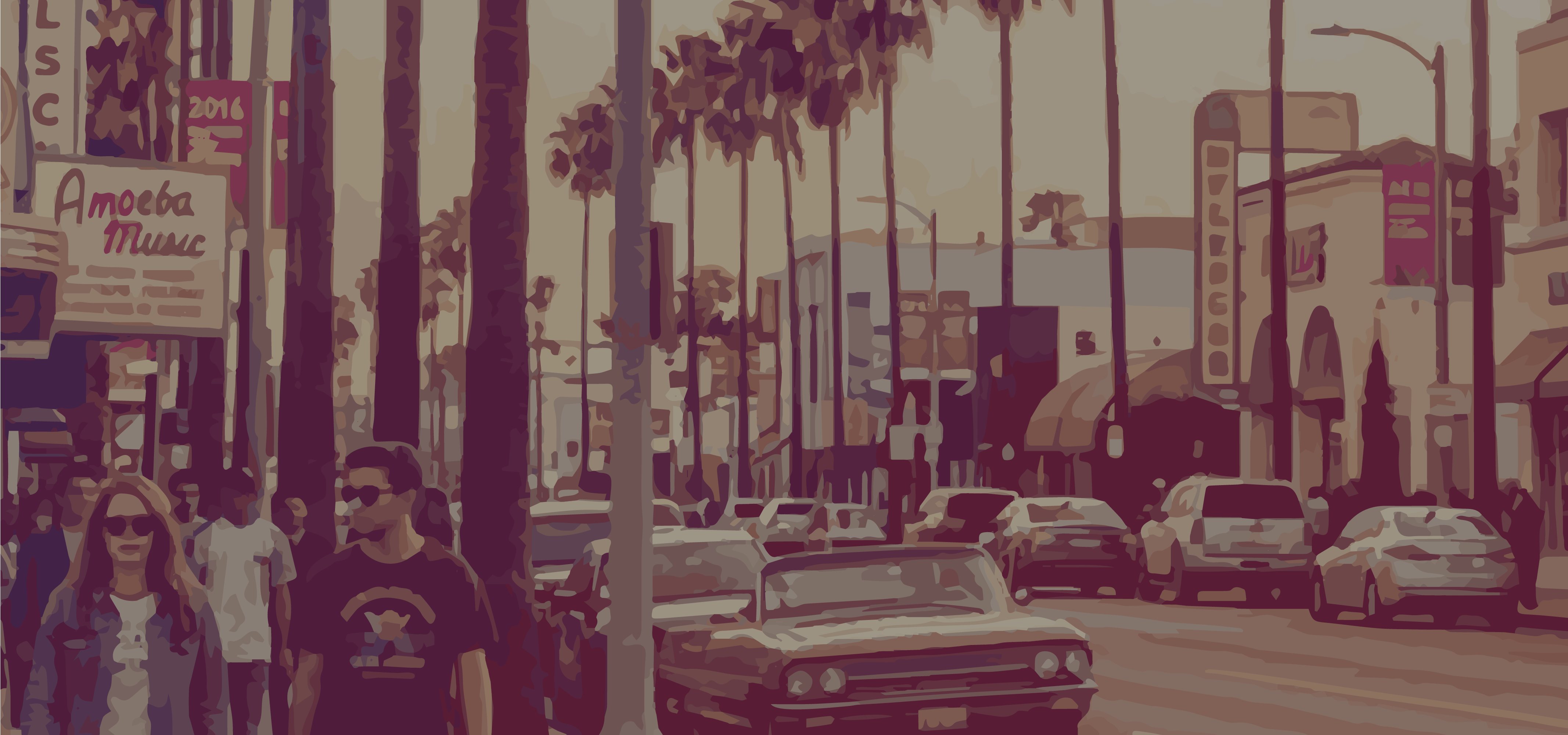
Beyond the digital landscape, this human touch also existed in a loud aesthetic. The 2016 aesthetic stands in stark contrast to the minimalism that represents 2026. Everything has been moving towards a ‘quiet aesthetic’. No more of the sun-drenched, high contrast Los Angeles vibe. In an age where AI-generated imagery often feels too clean and conforming—much like the clean girl makeup trend—we feel at home looking back at the oversaturated energy of a decade ago. But this nostalgia runs deeper than mere visual preference. The bold aesthetics of 2016 reflected a particular cultural moment: the Obama era’s optimism and the rise of girlboss feminism, where progressivism felt tangible and unapologetic. We aren’t just missing old trends. We aren’t just nostalgic for the clothes we wore. We are hungry for the era’s unapologetic confidence that wasn’t afraid of looking ‘too-much’—a confidence that felt politically and socially aligned with a sense of forward momentum towards a society of acceptance.
Finally, 2016 was the era of tropical house and indie-pop music that felt emotional and simultaneously highly energetic. Music is the ultimate time machine, and we all know for sure that the 2016 music hits were distinct. The Chainsmokers ruled the world. Justin Bieber’s Purpose was making the pop era at its peak. The moody anthems of Halsey, all the DJs making hits with legendary pop representatives, and Maddie Ziegler dancing to Sia’s consecutive hits defined a year in pop music that could not be replicated. This was a time when music felt like a communal experience, coming out of every car window and blaring on a festival stage. But now in 2026, music often feels like a background soundtrack designed for 15-seconds short clips just to show off your life on social media—not something that could define an entire summer. By hitting these decade-old anthems, revisiting our teenage playlists, we rewind to a world where music functioned as a shared heartbeat, rather than a mere tool to soundtrack a virtual version of ourselves that does not truly exist.
Ultimately, the ‘2026 is the new 2016’ trend is far more than a simple aesthetic fashion cycle. Of course there is an endless list of eras worth romanticizing. Yet, the internet made a deliberate choice to anchor itself in 2016, suggesting something deeper than mere nostalgia. We are attempting to bring the human heartbeat back into a digital age that has become ‘too quiet’—and reconnect with a moment when boldness felt like progress. Sometimes we need to revisit the last time we truly felt like ourselves as a simple reminder: that before technology and social media reshaped how we connect, the raw, human spirit—authentic, unfiltered, and present—is what truly made life worth living. Our longing for 2016 isn’t really about the past, but a longing for that version of ourselves that didn’t lose the beat in the digital noise.