
K-Beauty Moves Fast. But Can It Stay Distinct?
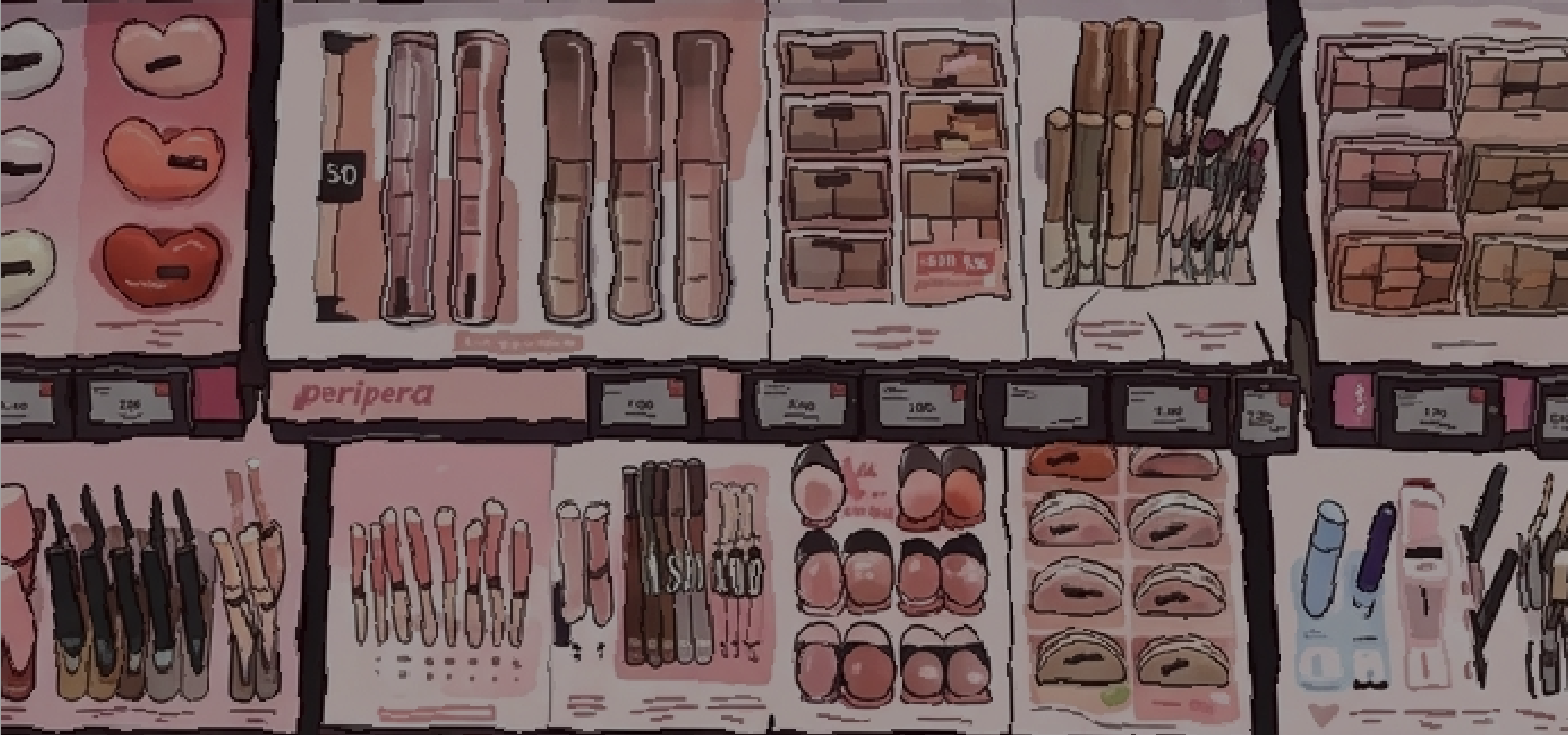
Walk into an Olive Young store in Seoul today, and it becomes clear that K-beauty is no longer defined only by large legacy brands. Shelves are filled with names that did not exist, or were barely visible a few months ago. Some sell a single viral toner pad. Others focus on ampoules, or minimalist skincare routines. Products rise quickly through rankings, social media clips, and online reviews, only to disappear behind the next trend a few weeks later.
What looks like consumer obsession with trends is also the result of structure. Korea has built a beauty industry that moves rapidly. Korea still has large integrated cosmetics companies such as Amorepacific and LG H&H, which have long managed broad parts of the beauty business, from research and development to manufacturing, branding, and distribution. Yet the recent beauty boom follows a different model. Instead of controlling every stage of production and distribution themselves, they move through a connected system of manufacturers, retailers, social media platforms, and export networks.
This structure makes launching a beauty brand easier than before. Original Design Manufacturing (ODM) companies can handle formulation, production, packaging, and quality control, allowing small brands to focus more on branding and marketing. Olive Young gives indie brands visibility through rankings, reviews, shelf placement, and online exposure. Social media platforms such as TikTok and Instagram rapidly circulate textures, ingredients, and product formats across borders, and export platforms help smaller brands reach overseas consumers earlier in their life cycle.
Together, these layers create a market optimized for speed. Products can move from concept to shelf quickly, and trends can spread almost immediately through social media and retail rankings. When a toner pad, ampoule, or sunscreen texture becomes popular online, similar products often flood the market within a short period of time. Brands react quickly to what is already gaining attention, which makes the industry highly responsive but also increasingly repetitive.
That constant cycle of launches and imitation has helped transform K-beauty into a global phenomenon. The low barrier to entry allows indie brands to appear continuously, making the market feel dynamic and experimental. Consumers are exposed to endless product discovery, while brands respond quickly to changing preferences. Compared with earlier generations of beauty retail, where consumers often stayed loyal to a few established brands, today’s shopping experience is driven more by constant discovery and rapid trend turnover.
As a result, K-beauty constantly produces something new, yet much of that newness can begin to feel strangely familiar. Many newer brands rely on similar manufacturers, ingredients, minimalist packaging, and social media language. Products compete through immediate visibility—a viral ingredient or a celebrity campaign—instead of aiming for long-term recognition. For example, once PDRN serums become popular on TikTok and appear in Olive Young rankings, dozens of similar products quickly follow. As more brands converge around the same trend, consumers increasingly remember the ingredient rather than the brands behind it. The result is a shopping experience driven by continuous trend-chasing, making consumer loyalty difficult to sustain.
This does not necessarily mean the products themselves are weak. K-beauty continues to produce technically sophisticated and trend-responsive products with strong formulations and fast product development cycles. What feels less distinct, however, is the identity behind many of the brands. As more companies chase rapidly changing trends, brand images can begin to blur together.
Earlier generations of K-beauty often built clearer aesthetic worlds and emotional positioning. Brands such as 3CE felt recognizable through a specific visual identity and mood. Consumers remembered the brand and the lifestyle it presented, not simply the individual products. Today’s indie brands operate in a much faster and more crowded environment. The market feels more dynamic than before, yet the trend itself often becomes more memorable than the brand behind it.
This shift also changes how consumers experience beauty shopping. Consumers scroll through TikTok clips, compare Olive Young rankings, watch influencer reviews, and quickly move on to the next launch. Shopping increasingly feels like continuous browsing rather than long-term attachment to a brand. New products appear constantly, micro-trends spread rapidly, and consumers are encouraged to keep searching for what comes next rather than settling on a particular brand.
For indie brands, this creates a different kind of challenge. K-beauty already knows how to move quickly, but speed alone is no longer enough to make a brand memorable. In an industry where trends often receive more attention than the brands behind them, building long-term recognition and consumer loyalty becomes increasingly difficult.
This is why the future challenge for K-beauty is differentiation. The industry’s ecosystem has lowered barriers to entry and opened opportunities for smaller brands. That accessibility is one of K-beauty’s greatest strengths. By relying on value chains, indie brands can reach consumers more easily than ever before. Given this unprecedented opportunity, indie brands should try more than trend imitation to stand out. Beyond keeping pace with trends, they may need to build a recognizable image, consistent vision, and lasting relationship with consumers.